
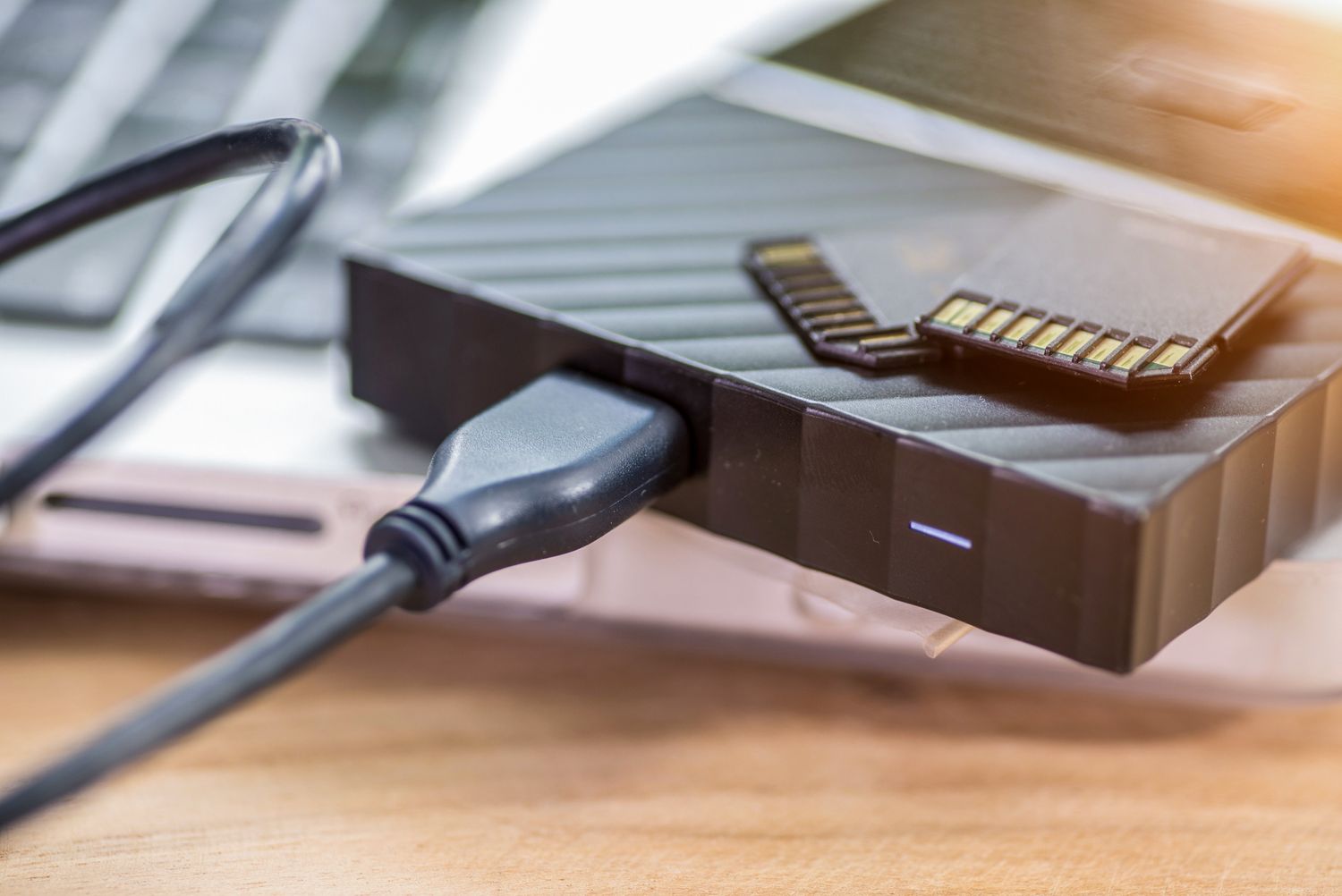
In my 15 years managing business systems and IT assets, one truth stands out—external hard drives are invaluable until they fail at the worst possible time. I’ve seen a production firm lose three years of design archives because their backup drives weren’t properly maintained. The good news? Proper care extends lifespan and prevents sudden breakdowns. Over the years, I’ve compiled proven tricks to maintain external hard drives that any professional or home user can easily follow for reliable performance and data security.
1. Safely Eject Your Drive Every Time
It sounds simple, but this step prevents most external drive failures I’ve encountered. I once had a client who unplugged their hard drive mid-transfer. The result? Corrupted data and an unreadable device. Always eject drives safely to allow processes to finish and caches to close securely.
Operating systems provide one-click ejection options—use them religiously. This small habit ensures your drive’s file system remains intact. For everyday tech management and maintenance insights, PRLocal frequently features practical advice aimed at safeguarding devices through smart usage behaviors.
2. Keep Drives Dust-Free and Properly Ventilated
Back in 2018, dust-related overheating became a silent destroyer for one of my workshop clients who used multiple drives daily. Too much heat slows read-write speeds and increases the risk of permanent component damage. Avoid stacking drives or exposing them to direct sunlight.
Use cases with built-in airflow or cooling pads for extended sessions. Regularly wipe vents and covers with a dry cloth. For safe storage and workspace setup ideas, FrankfurtPresse provides excellent resources for long-term tech preservation.
3. Run Disk Checks and Defragmentation Regularly
When data moves frequently in and out, disk errors accumulate silently. I once discovered a marketing agency’s main backup drive had 30% fragmented data—it was slower and prone to freezing. Scheduling automated defragmentation greatly improved access speed.
Use tools like Windows Check Disk or macOS First Aid for periodic evaluation. They fix corrupt sectors before they become disasters. For professionals looking to maintain system-level efficiency, BesteInFrankfurt explains real-world methods to improve digital asset reliability and performance consistency.
4. Avoid Power Surges and Unstable Connections
I’ve seen many external drives die after accidental power spikes, especially in office setups with multiple charging devices. The fix is simple: use surge protectors or uninterruptible power supplies. These act as buffers during unexpected voltage fluctuations or unplugging events.
Always connect drives to USB ports directly on your computer, not unregulated multi-hubs. It’s a habit that ensures consistent power delivery and stable data flow. For up-to-date safety tips on handling storage and electrical accessories responsibly, MHeuteFernsehprogram covers thoughtful guides on real-world tech resilience.
5. Backup Regularly and Test for Reliability
Look, the bottom line is, no external drive lasts forever. What I’ve learned is that redundancy—not optimism—is the best insurance. I advise maintaining two copies of vital data: one on your external drive and another on the cloud or a second device.
Set reminders to test drives monthly by randomly opening old files. This habit catches degradation before it becomes data loss. For informed hardware testing methods and comparisons of reliable drives, the TechRadar storage guide provides excellent references for both speed and durability benchmarks.
Conclusion
What I’ve learned is that external hard drive health isn’t luck—it’s discipline. By following these proven tricks to maintain external hard drives—safe ejection, cooling, power protection, and routine backups—you’ll dramatically extend their lifespan. I’ve seen entire teams gain confidence when hardware becomes predictably reliable. Treat these devices with care, and they’ll safeguard your memories and work for years to come.
FAQs
Why do external hard drives fail so often?
Poor ejection habits, overheating, and power surges are the most common causes of drive failure.
How often should I clean my external hard drive?
Wipe your drive’s surface monthly and ensure ventilation spaces stay dust-free for consistent cooling.
Can defragmentation actually improve speed?
Yes. Defragmentation rearranges data efficiently, improving file access times and overall performance.
Should I use my drive for constant file transfers?
Avoid overuse. Frequent read-write cycles cause wear; use it mainly for storage or backup purposes.
What’s the best way to back up important files?
Use a double-backup system—one on an external drive and another on a cloud platform for redundancy.