
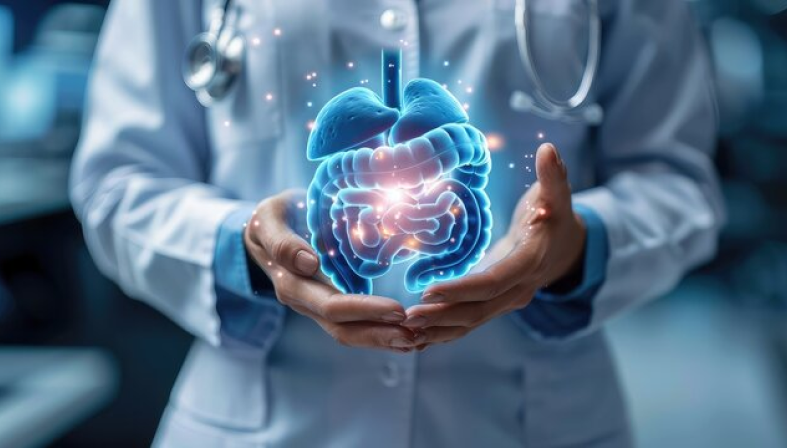
The digestive system is one of the most complex networks in the human body, responsible for processing food, absorbing nutrients, and supporting immunity. A person’s general well-being may be significantly impacted when anything goes wrong. Recent advances in medical technology and specialised care have transformed the way digestive conditions are diagnosed and treated. These improvements not only make procedures less invasive but also enhance outcomes, providing patients with faster recovery times and more effective solutions.
The Growing Role Of Gastroenterology
Gastroenterology has evolved into a highly specialised field that covers a wide range of disorders affecting the stomach, intestines, liver, pancreas, and more. From everyday issues such as acid reflux to serious diseases like colorectal cancer, specialists in this field now have access to advanced tools that allow for earlier detection and tailored treatments.
The emphasis on prevention is significant. Screenings like colonoscopies, once daunting for many patients, have become more precise and less invasive thanks to modern technology. As a result, potentially life-threatening conditions can be caught at an earlier stage, significantly improving survival rates.
Minimally Invasive Procedures
One of the most significant advancements in digestive health care has been the rise of minimally invasive procedures. Traditional surgeries often required large incisions, lengthy hospital stays, and long recovery times. These days, endoscopic procedures use flexible tubes with tiny cameras and sophisticated equipment to investigate, diagnose, and even treat issues.
Patients can resume their regular lives much sooner thanks to these techniques, which also lessen discomfort and scarring. Endoscopic resections, for example, can remove precancerous growths without the need for open surgery, offering patients safer alternatives with excellent outcomes.
The Power Of Imaging Technology
Advanced imaging has also revolutionised care. Capsule endoscopy, where patients swallow a pill-sized camera, enables doctors to view areas of the small intestine that were once nearly impossible to examine. High-definition endoscopes provide clearer, more detailed visuals, making it easier to identify abnormalities early on.
Imaging doesn’t just help with diagnosis; it also plays a critical role in guiding treatment. Real-time visuals during procedures ensure greater precision, reducing risks and increasing the likelihood of success.
Personalised Approaches To Treatment
Another advancement is the shift toward personalised medicine. Doctors now consider a patient’s genetic profile, lifestyle, and medical history when creating treatment plans. For example, inflammatory bowel disease (IBD) is no longer treated with a one-size-fits-all approach. Instead, therapies are tailored to minimise side effects and maximise effectiveness.
Biologic drugs have revolutionised the treatment of long-term digestive diseases by focusing on particular proteins in the immune system. These targeted therapies provide relief for patients who may not have responded to traditional medications, improving both comfort and quality of life. Closely related fields such as PROCTOLOGY often intersect with digestive health, ensuring that patients with lower gastrointestinal concerns receive comprehensive and specialised care.
Collaboration Across Specialities
Digestive health often overlaps with other areas of medicine, such as cardiology, endocrinology, and vascular care. Patients with conditions like liver disease or pancreatic disorders may require coordinated care from multiple specialists. By fostering collaboration, doctors can provide holistic treatment plans that address more than just the digestive system.
This multidisciplinary approach ensures that patients are not only treated for immediate symptoms but also supported in managing related health concerns. For example, someone with chronic digestive problems might also benefit from guidance on diet, exercise, and stress management as part of a broader wellness strategy.
Accessibility And Patient Education
Another change that has occurred is better communication between patients and doctors. Patients can now consult with professionals from the convenience of their homes thanks to telemedicine systems, which provide prompt access to care no matter where they are. Educational initiatives empower patients to understand their conditions better, encouraging them to take an active role in their health.
Access to advanced treatments has expanded as well. Hospitals and clinics worldwide are adopting cutting-edge technologies once reserved for large medical centres, making high-quality care more widely available.
Final Thoughts
The advancements seen in gastroenterology demonstrate how far patient care has come in recent years. There has also been an improvement in the way patients and doctors communicate. Nowadays, telemedicine platforms enable patients to speak with experts from the convenience of their homes, guaranteeing prompt access to care wherever they may be.
Patients now have access to safer procedures, more effective treatments, and earlier diagnoses than in the past. With technology and research continuing to evolve, the future promises even greater strides in digestive health, ensuring that care remains compassionate, innovative, and patient-focused. Circulatory conditions such as Varicose veins can sometimes complicate digestive disorders, reminding specialists that patient care often requires a holistic approach across multiple systems