
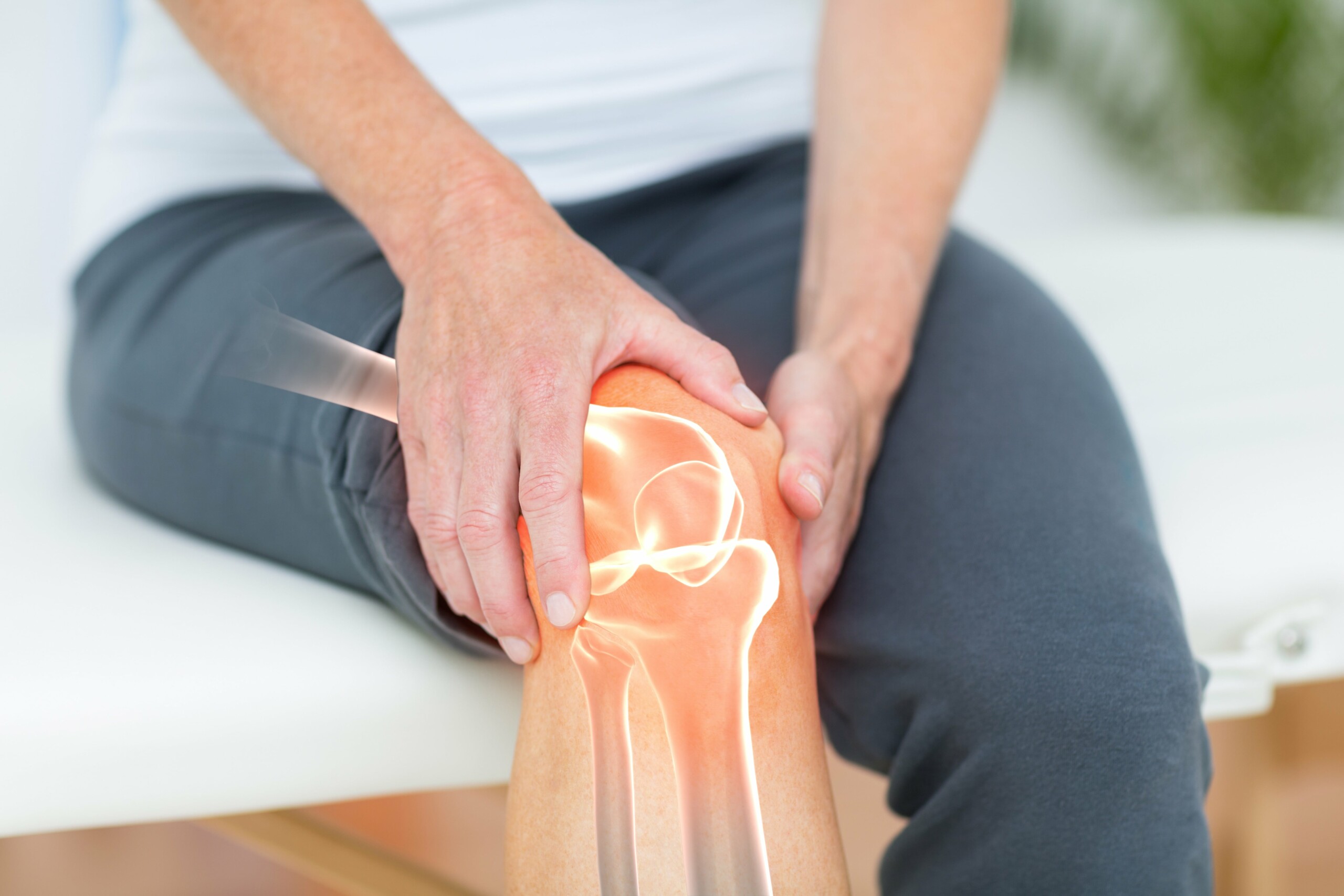
Exercise strengthens muscles, supports cardiovascular health, and can improve confidence in daily movement. Yet poor technique, unsuitable equipment, or an overly aggressive training plan may leave the knees, hips, shoulders, wrists, or back feeling irritated.
Protecting the joints does not mean avoiding challenging exercise forever. It means choosing an appropriate starting point, increasing difficulty gradually, and responding to warning signs before a minor problem becomes a significant injury.
Anyone building a routine through joint-friendly fitness guidance should treat preparation, technique, and recovery as essential parts of training.
Choose Exercise That Matches Your Current Ability
A workout that is safe for an experienced athlete may be too demanding for someone returning after months of inactivity. Fitness history, age, previous injuries, medical conditions, and current symptoms all affect what is appropriate.
Begin with exercises you can perform with control. Walking, cycling, swimming, resistance bands, light weights, and supported bodyweight movements provide many ways to build fitness.
Low impact does not mean ineffective. A well-planned session on a stationary bike may train the heart and legs without the repeated landing forces of running. Water exercise can challenge the muscles while reducing weight-bearing pressure.
People with arthritis, osteoporosis, heart disease, balance problems, or a recent operation should discuss exercise selection with a qualified health professional.
Warm Up Before Demanding Movement
A warm-up prepares the body for the movements that will follow. Begin with five to ten minutes of comfortable activity, such as walking or easy cycling.
Then perform controlled versions of the planned exercises. Before squats, practice shallow bodyweight squats. Before pressing weights overhead, use arm circles and light resistance. Before running, include brisk walking and gentle leg movements.
Long, intense static stretching is not always the best immediate preparation for explosive activity. Dynamic movements that resemble the workout may be more practical, while longer stretches can be saved for later.
An effective warm-up should make the body feel ready, not tired.
Learn Sound Technique
Joint protection depends heavily on how an exercise is performed. During squats and lunges, keep the feet stable and allow the knees to track in the same general direction as the toes. The knees do not need to remain perfectly behind the toes in every movement, but they should not collapse inward under load.
During pulling and pressing exercises, keep the shoulders controlled rather than constantly raised toward the ears. Avoid using momentum to move a weight that is too heavy.
When lifting from the floor, position the object close to the body. Bend through the hips and knees as appropriate, brace the trunk, and avoid twisting while carrying the load.
Technique may vary according to anatomy and exercise goals. A qualified coach or physical therapist can adjust movement rather than forcing every person into the same position.
Increase Training Gradually
Many exercise problems begin when several variables rise at once. A person may increase weight, repetitions, distance, frequency, and intensity in a single week. The muscles and joints are then asked to tolerate much more work without enough time to adapt.
Change one major factor at a time. Add a small amount of weight, a few minutes of cardio, or one additional set. Observe how the body responds during the session and over the following day.
Delayed muscle soreness can occur after unfamiliar activity. Joint swelling, sharp pain, instability, or a major reduction in movement deserves more caution.
Sustainable active exercise planning leaves room for adaptation. Progress that feels slower at first may prevent interruptions later.
Select Suitable Footwear and Equipment
Shoes should match the activity and fit comfortably. Running shoes, court shoes, hiking footwear, and weightlifting shoes serve different purposes.
Replace footwear when the sole is badly worn, cushioning has collapsed, or support has become uneven. However, expensive shoes cannot correct every movement problem or guarantee freedom from injury.
Adjust exercise machines before using them. A bicycle seat that is too low may increase knee bending, while one that is too high may cause the hips to rock. Handles, benches, and supports should allow controlled movement.
Resistance bands should be checked for tears. Weights should be secured, floors should be dry, and the workout area should be free of obstacles.
Strengthen Supporting Muscles
Stronger muscles can help control joint movement. The quadriceps, hamstrings, calves, and gluteal muscles support the knees and hips. Core and back muscles contribute to trunk stability. Upper-back and rotator-cuff muscles help manage shoulder movement.
A balanced program should include pushing, pulling, squatting, hinging, carrying, and controlled rotation when those movements are appropriate.
Avoid training only the muscles visible in the mirror. Excessive pressing without enough pulling may contribute to poor shoulder control. Heavy leg training without hip stability work may leave certain weaknesses unaddressed.
Begin with manageable resistance and a comfortable range of motion. Add load only after the movement remains stable.
Use an Appropriate Range of Motion
A deeper movement is not automatically better. The most useful range is one that can be controlled without sharp pain, joint pinching, or loss of alignment.
A person with limited ankle mobility may initially use a shallower squat. Someone with shoulder irritation may press at a different angle or stop before the painful position.
Range of motion can improve over time through mobility work, strength, and practice. Forcing depth under a heavy load can place tissues in positions they are not prepared to manage.
Good exercise recovery practices respect the difference between productive effort and warning pain.
Avoid Repeatedly Training Through Pain
Exercise can feel difficult without being harmful. Muscles may burn during a challenging set, breathing may become heavier, and mild soreness can follow a new routine.
Joint pain is different when it feels sharp, catching, unstable, or progressively worse. Swelling, locking, giving way, or loss of strength should not be ignored.
The idea of “no pain, no gain” is too simplistic. Pain may cause a person to change movement patterns, placing extra stress on other areas.
Stop the exercise, reduce the load, shorten the range, or choose an alternative movement. When symptoms continue, obtain an assessment rather than repeatedly testing the painful joint.
Include Recovery Days
Exercise creates stress that the body must recover from. Training the same joints intensely every day may not provide enough time for adaptation.
Recovery does not always require complete inactivity. Easy walking, light cycling, mobility exercises, or a relaxed swim may support movement without adding a heavy training load.
Sleep, regular meals, hydration, and appropriate protein intake also contribute to recovery. Alcohol, poor sleep, and repeated late-night training may interfere with how rested a person feels.
Plan hard and easy days rather than treating every session as a test.
Modify Exercise During Flare-Ups
Some conditions produce periods when symptoms become more noticeable. During a flare-up, reduce intensity and choose movements that do not increase irritation.
A shorter walk may replace a run. Water exercise may replace jumping. A resistance-band routine may be more comfortable than heavy weights.
Complete rest may be needed after certain injuries, but prolonged inactivity can also contribute to stiffness and weakness. A clinician can help determine the correct balance.
A training plan should be adjustable. Missing one difficult workout is less damaging than turning a manageable problem into a long interruption.
Cool Down and Check the Body’s Response
After exercise, reduce intensity gradually. Walk slowly, breathe normally, and perform gentle stretches for the muscles used.
The cool-down is also a chance to notice symptoms. Check whether one joint feels unusually warm, swollen, or unstable. Consider how the body feels later that evening and the next morning.
A workout may have been too demanding when pain remains notably worse, daily movement becomes harder, or swelling develops. Reduce the next session and review what changed.
Practical joint protection strategies should be based on patterns, not pride.
Seek Help for Injury Warning Signs
Obtain prompt medical attention for a visibly deformed joint, inability to bear weight, severe swelling, sudden weakness, or pain following a major fall or collision.
A joint that becomes hot, red, and extremely painful may need urgent assessment, especially when fever is present. Numbness, loss of bladder or bowel control, or weakness after a back injury also requires immediate care.
Persistent pain, repeated instability, locking, or symptoms that do not improve with activity modification should be evaluated.
Joints are protected through preparation, sound technique, gradual progression, and honest attention to discomfort. Train hard enough to improve, but not so recklessly that each session becomes a gamble. The strongest exercise habit is one the body can continue safely.